


Every major commodity market, from crude oil to corn, has a story of evolution. It begins as a fragmented, nascent industry and matures into a sophisticated ecosystem with predictable pricing, established exchanges, and advanced hedging tools. The cannabis industry is on this same path. For investors, understanding this journey is not just a matter of academic interest; it’s the key to navigating the market’s current volatility and capitalizing on its inevitable maturity. This post delves into the signals of commoditization and what they mean for investment strategies.
New commodity markets typically begin as “physical transaction only” markets, which are fragmented across regions and quality levels. The cannabis industry, with its state-by-state regulatory framework, is a prime example of this. In these early stages, prices are unpredictable, creating significant wholesale price uncertainty for buyers, sellers, and ancillary businesses. This price uncertainty creates risk in the overall economics of the sector.
The evolution towards commoditization is driven by the increasing need for certainty among market participants. As transaction volumes rise, buyers and sellers begin to look for transaction agreements that cover a series of deliveries over a forward period. This shift from spot-only transactions to forward-looking contracts is a foundational step in market maturity and a clear signal that the industry is progressing from a collection of fragmented transactions to a cohesive market.
Cannabis Investor & Lender Series
Post #1: How Historical Wholesale Cannabis Price Data Informs Smarter Investment Decisions
Post #2: Cannabis Market Forecasting: Key Indicators Every Investor Should Watch
As the cannabis market matures, it will exhibit several key signals familiar to investors in other commodity spaces. For investors, these signals are not just indicators of change—they are opportunities for new and sophisticated investment strategies.
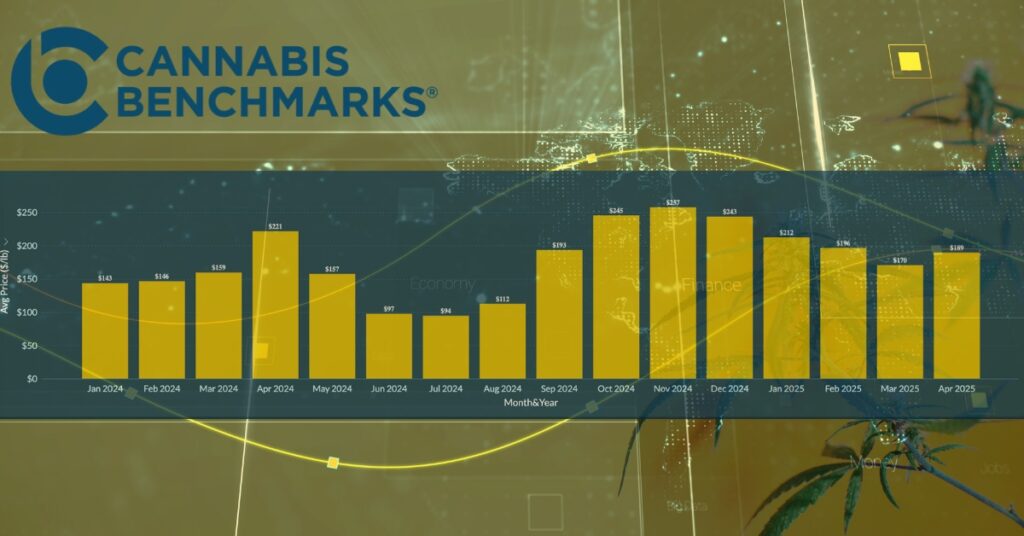
In this evolving landscape, the credibility of a data provider is paramount. As outlined in our Litigation Series, law firms and accounting firms trust our data to support legal and financial assessments. This level of trust, which enables our data to stand up in a court of law, provides a critical “upper-hand” to investors in this high-risk and competitive space. The rigor and independence that the legal community demands are the same qualities investors need to conduct proper due diligence and build confidence in the market.
The commoditization of cannabis will have a profound impact on the investment landscape:
The cannabis industry is on an irreversible path toward becoming a mature commodity market. For investors, the key is to be proactive. By using a trusted, independent third-party data provider like Cannabis Benchmarks, you can access the historical data, real-time insights, and expert analysis needed to identify the signals of commoditization, mitigate risk, and capitalize on the next wave of long-term investment opportunities.
To start your journey toward more informed investment decisions, we invite you to explore our PREMIUM and ENTERPRISE subscriptions. These solutions offer the spot and historical wholesale cannabis price data you need to build your own robust forecasting models and stay ahead of the curve. Contact Us to speak with one of our team members.